
This offer has ended
If you're interested, give us a call and we'll tell you all about it. And if you'd like to hear about the next one, we'll let you know by email.
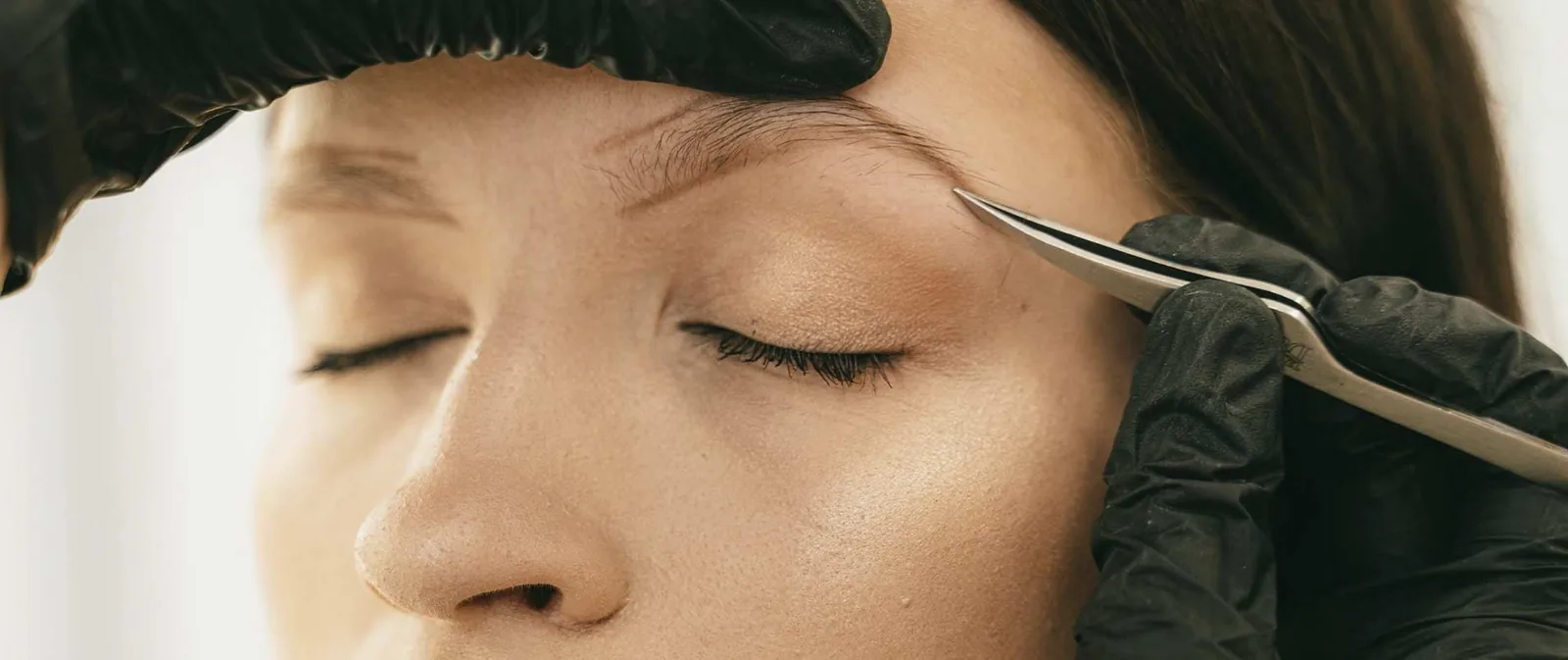
Eyebrow and lip micropigmentation: how they differ and which one to get
The same machine does both, but they're two different jobs. The lip lasts less, hurts more, needs preparing if you've had cold sores and heals in its own way. And if you're only going to get one, which one changes you more.
They're two different jobs, even if the same machine does them
The eyebrow is pigmented on skin. The lip, on mucosa, which is a different tissue and renews much faster. Almost everything that sets them apart comes from this.
The pigment lasts less on the lip: between one and two years compared with the one to three of an eyebrow, and it needs its maintenance top-up sooner. It fades more and does so faster.
And the drawing is nothing alike. On the brow, individual hairs are traced to imitate natural hair. On the lip there's no hair to imitate: we work on the edge, which is what blurs over the years, and we veil the inside with a colour that's almost never “painted lips” — what's usually sought is to bring back the line and even out the tone, not to make it look like you're wearing lipstick.
The other difference shows on the couch: the lip has many more nerve endings. The eyebrow is uncomfortable; the lip hurts more, and it's worth knowing that before you sit down.
You can have both done
Yes. How we arrange it we'll talk about at the consultation, with your face in front of us, because it depends on your skin and what you're after in each area.
The lip needs preparation the eyebrow doesn't: cold sores
If you've ever had a cold sore —and plenty of people have who don't even remember— working on the lip can wake it up. It doesn't spoil the final result, but it slows down healing and turns those days into a nuisance.
It's prevented with an antiviral taken in the days before and after. That's a prescription medicine: your doctor prescribes it, not us. Our part is to warn you at the assessment with enough time for you to check it before the appointment, not on the day.
And if you turn up with an active outbreak, we don't touch it: we postpone. Changing that appointment isn't losing anything, it's the only sensible thing.
What you'll see on the lip, week by week
Similar to the eyebrow in idea, different in timing and quite a bit more conspicuous, because it's in the middle of your face:
- Days 1 to 3. Swelling, and a colour much more intense and darker than the one you chose. Always. It's not the result.
- Days 4 to 10. It flakes, and sooner than the eyebrow. It pulls and it's uncomfortable. Don't pick it off: the pigment is underneath.
- Weeks 2 to 4. The colour settles in under the new skin and looks softer, and patchy at times. That's normal: that skin is still opaque.
- Weeks 4 to 6. This is now the colour that stays, and it's roughly half as intense as it was on the first day. That's not having lost anything: it's exactly what was being sought when it was chosen so strong.
The touch-up goes in the fifth or sixth week, and it's worth counting on it from the start. Just like with the brow: a micropigmentation isn't finished until the second appointment.
The days afterwards are more uncomfortable on the lip
The exact guidelines are given to you by whoever does it, but it's worth knowing the usual ones to pick the right week. Nothing salty, spicy or citrusy, nothing very hot and nothing that stains; drinking through a straw helps more than it seems; no kissing; no gym, no sauna, no pool, no beach; moisturise only with what we give you; and don't pull at the skin that lifts even if it tugs.
After that, sun protection on the lip too. It's what's most in your hands to make it last.
And what if you're only going to have one?
Straight up. The eyebrow changes the face more, and it's where you most notice waking up and not having to draw anything on. The lip changes the expression more, and it's the one that really helps anyone who's watched their outline blur over the years, lives with an asymmetry or has a scar that breaks the line.
If you're not sure, you don't have to decide it on your own from home: that's what we look at in the assessment, with your face in front of us and in pencil before anything is switched on.